I have expertise in qualitative methods—including ethnography, participant observation, interviews, archival research, and analysis of textual, visual, and place-based material—and have designed and led field projects in Rwanda, Germany, and the US Virgin Islands.
difficult heritage of violence, conflict, and colonialism
heritage-based diplomacy, especially that conducted by the US, China, Rwanda, and Germany
security and the trafficking of cultural property, especially in East Asia and the Pacific
community engagement with heritage
heritage development
heritage ethics, rights, and politics
Heritage Rights on St. Croix
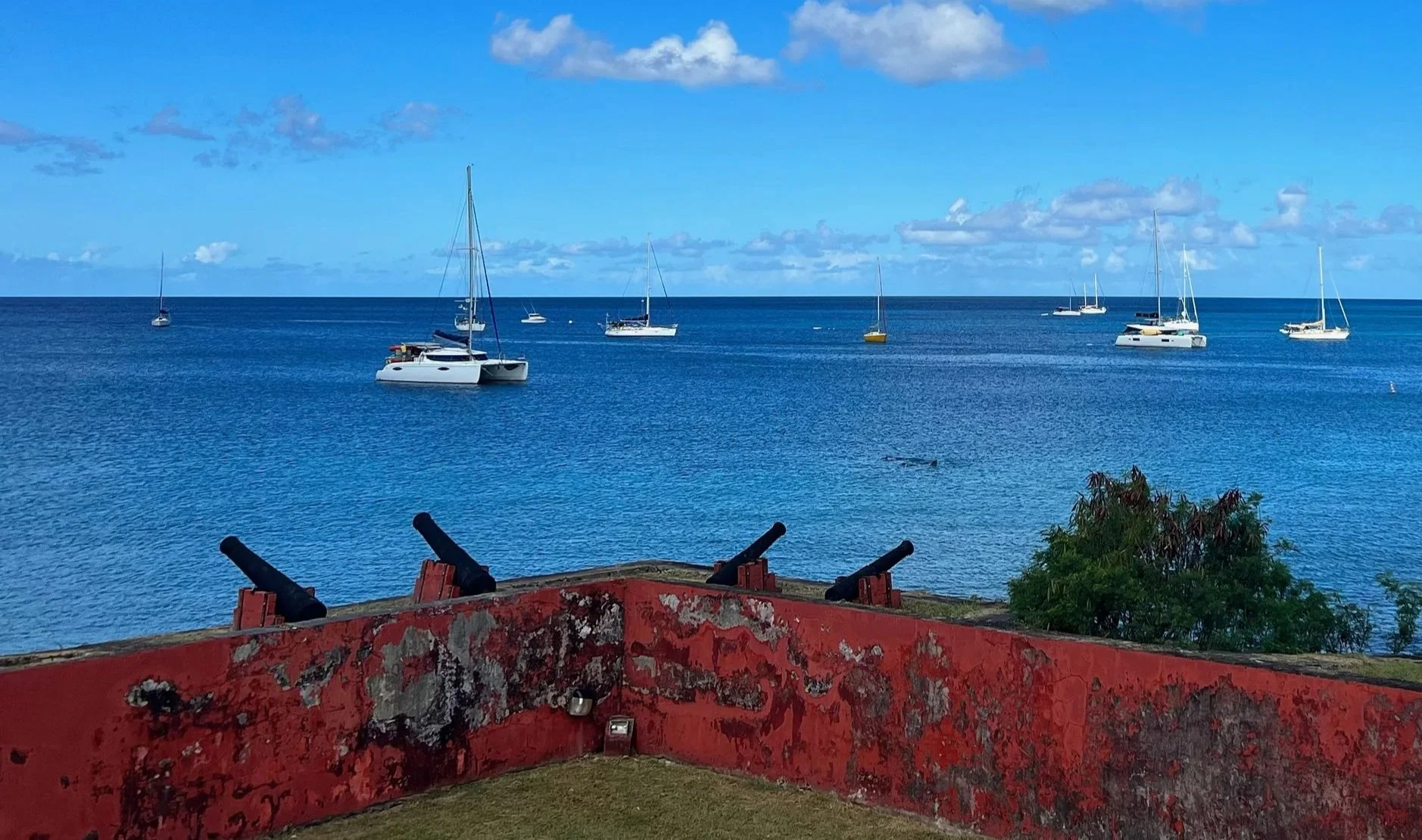
As a member of the Enduring Materialities of Colonialism project based at Aarhus University (Denmark), I studied heritage on St. Croix, US Virgin Islands. I examined the politics and struggles to access and control the material heritage of Danish colonialism on this former sugar plantation island, looking at the language people use to claim rights to difficult heritage.
Rwandan Solutions to Rwandan Problems
In collaboration with Heritage Sites Specialist David Nkusi from Rwanda Cultural Heritage Academy, I looked at the relationship between local communities and heritage sites in a rural district of Rwanda. Considering issues of decolonization and development, we asked which factors shape how people relate—or don’t relate—to heritage places, and how heritage could be managed to benefit rural Rwandans both socially and economically.
Body Politics
Tracing the processes and politics of repatriation, this project examined human remains from Rwanda which had been collected by German colonial forces and held in Berlin for decades. Interrogating the shifting international dynamics between colonizer and formerly colonized, this project went beyond common questions about ownership of cultural property to ask how heritage diplomacy could actually help to reshape postcolonial relationships through changing the international balance of power.
A Country Without Culture Is Destroyed
My PhD dissertation analyzed how the Rwandan state uses heritage to, on the one hand, rebuild the nation and prevent the return of mass violence, and on the other, to change the country's place in international post-colonial and post-conflict power dynamics. It traced a set of key ideas—value, dignity, unity, and development—in the state heritage sector.
Other Projects
China’s heritage-based diplomacy
management of UNESCO World Heritage
cultural heritage exploitation (CHX) and heritage as a diplomatic and political tool in Northeast Asia
the heritage of conflict in Vietnam
dark tourism to sites of conflict and atrocity
China’s engagements with Africa
rural radicalism in Africa
Quisque iaculis facilisis lacinia. Mauris euismod pellentesque tellus sit amet mollis.